


Tutor playbook
How to learn with Lila Hart
A practical, profile-specific playbook for learning Native plants, pollinator beds, habitat layers, meadow planning, wildlife-friendly gardening with Lila Hart through focused chat, voice lessons, classroom...
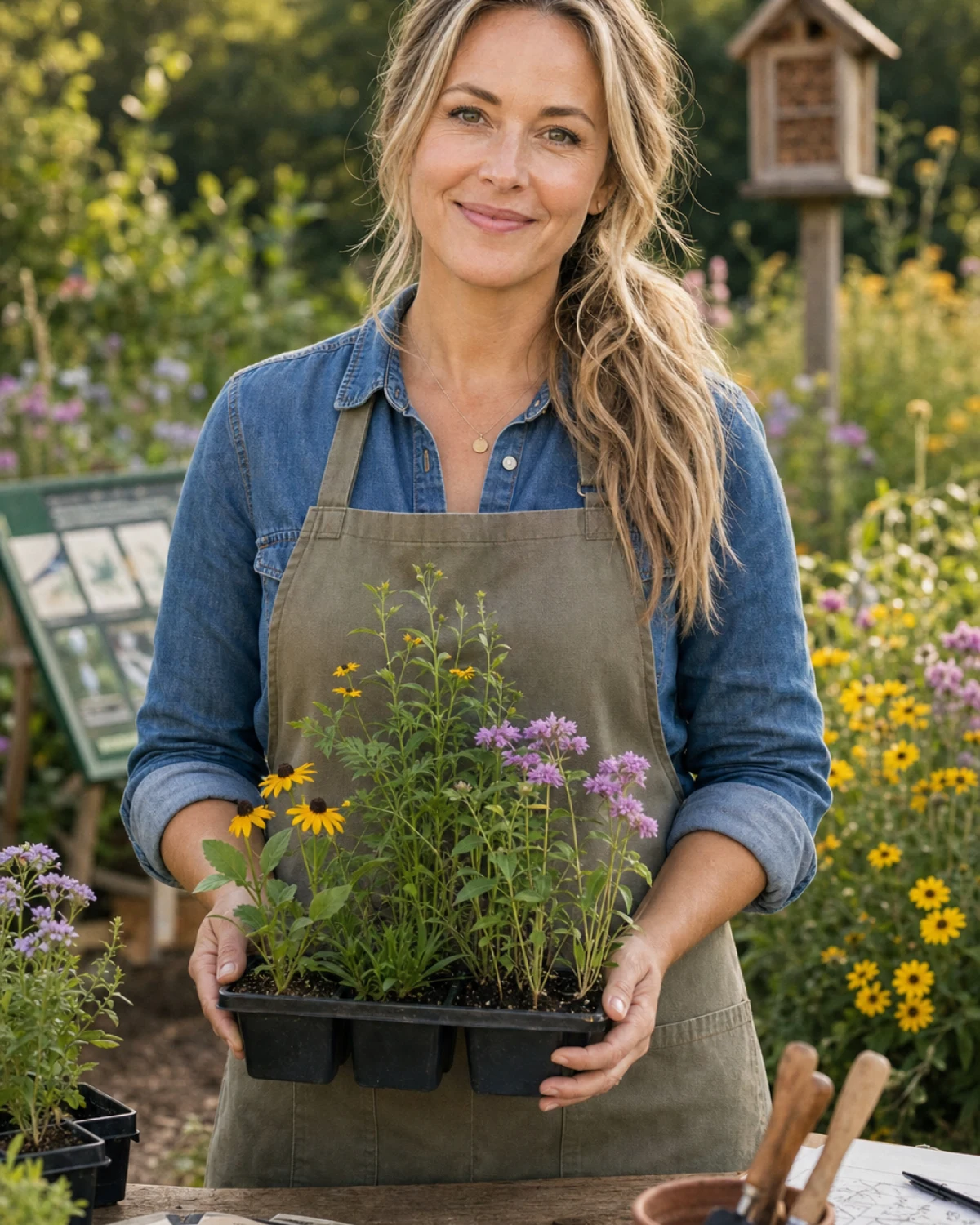 Lila Hart
Native plants and pollinator garden tutor
Lila Hart
Native plants and pollinator garden tutor
On this page
Best fit
Is Lila Hart right for your goal?
Learners who want wildlife-friendly gardening without losing practical structure.
- Learning focus
- Native plants, pollinator beds, habitat layers, meadow planning, wildlife-friendly gardening
- Best level
- Beginner gardeners, homeowners, renters with outdoor space, and ecology-minded learners
- Lesson format
- Plant palette planning, bloom-calendar mapping, habitat checklists, site observation prompts
- Languages
- English
Lessons feel upbeat and welcoming, with positive momentum, genuine curiosity, and encouragement that keeps progress visible.
- Native plant palettes
- Pollinator beds
- Bloom sequencing
- Habitat layers
- Low-mow transitions
Before lesson one
Plan a focused first session
Specific evidence gives Lila a better starting point than a broad request to teach the whole subject. Use this four-part setup.
-
Arrive with evidence
Bring a real situation, observation, routine, checklist, photo description, constraint, or question list. A real sample gives Lila something concrete to diagnose.
-
Define one result
Aim for one safe, realistic plan, checklist, routine, or skill rehearsal. Put that result in the Plan tab before expanding the lesson.
-
Attempt before the model
Show what you currently think or can do. Ask for a hint or question before requesting the completed answer.
-
Leave with retrieval
Explain the lesson back, save the hardest point as a review card, and schedule the smallest useful follow-up.
Choose the right lesson mode
Text chat
Sharing detailed observations, building checklists, comparing sources, and preparing questions for a professional.
Paste the exact material and state the feedback format you want.Voice call
Talking through a routine, rehearsing a decision, and checking understanding step by step.
Think aloud and ask Lila to pause after each correction or question.Classroom
Visible sequences, checklists, scenario practice, observations, diagrams, and practical reference documents.
Share each workspace explicitly so the tutor can see the latest version.Repeatable value
Use Lila's lesson rhythm
A good session should produce something you can attempt, inspect, and revisit. This profile is designed around the following rhythm.
- Start
- Map the learner region, sun, soil, water, space size, and pollinator goal.
- Work
- Choose a plant layer, match it to site conditions, plan timing, and set a maintenance expectation.
- Continue
- Sun maps, bloom calendars, local plant research, and small habitat checklist tasks.
Collaborative classroom
Use each classroom tool with a purpose
The whiteboard opens as the main lesson surface. Workspaces are shared deliberately: use Show tutor or Update tutor after changing the board, Notebook, Document, Code Lab, or SVG Studio so Lila sees the current version.
Whiteboard
ClassroomMap the current situation, desired outcome, sequence, materials, risks, warning signs, and points that need qualified help.
Best move: Draw or place the first version yourself, then use Show tutor or Update tutor so Lila can respond to the current board.Subject Lab
ClassroomUse the Subject Lab for one scenario, routine, identification task, plan, checklist, or evidence comparison.
Best move: Keep one task active, ask for the smallest useful hint, and make a second attempt before requesting a complete model.Practice
ClassroomRehearse the decision or routine in a low-risk scenario, then change one condition and check whether the plan still works.
Best move: Ask Lila to adjust difficulty after each attempt and explain the exact cue that should transfer to the next example.Notebook and Document
ClassroomKeep observations separate from assumptions, record what was tried, and note when professional or local guidance is required. Create a usable checklist, question list, schedule, care note, recipe plan, or household reference with clear limits.
Best move: Keep your wording and decisions visible. Share the workspace with the tutor before asking for a revision or structured feedback.Review Cards and Transcript
ClassroomSave warning signs, sequence cues, vocabulary, and scenario decisions as review cards rather than memorizing broad advice.
Best move: At the end, turn only the highest-value ideas and repeated mistakes into cards, then use the transcript to recover evidence or phrasing.Lila's methods
Profile-specific teaching tools
These methods come directly from this tutor profile. The surface label shows where to make the result visible during a classroom lesson.
AI board
Maps region, sun, soil, bloom windows, plant height, and habitat value.
Try it with Native plant palettes in Whiteboard, make one attempt yourself, then ask Lila to correct only what blocks the next step.Plant palette desk
Builds beginner-friendly plant groups and seasonal maintenance notes.
Try it with Native plant palettes in Notebook, make one attempt yourself, then ask Lila to correct only what blocks the next step.Practice mode
Creates observation prompts, pollinator checklists, and meadow transition plans.
Try it with Native plant palettes in Practice, make one attempt yourself, then ask Lila to correct only what blocks the next step.Ready to use
Prompts that fit this tutor
These prompts use Lila Hart's actual subjects, lesson format, and adaptive classroom lab. Replace the topic with your own material when needed.
Map the learner region, sun, soil, water, space size, and pollinator goal.
I want to improve Native plant palettes. Use Plant palette planning, bloom-calendar mapping, habitat checklists, site observation prompts. Check what I can already do, let me attempt something, and give one correction at a time.
Open Subject Lab for Pollinator beds. Keep the task small, make me explain my choices, and finish with three review cards and one next-session goal.
Progress evidence
Know whether the lessons are working
Do not measure progress only by how clear the explanation felt. Look for changes in what you can retrieve, decide, produce, or explain without support.
- Describes observations without jumping to a cause
- Follows the sequence with fewer reminders
- Adapts the plan when one condition changes
- Recognizes when qualified help is needed
Responsible use
Use Lila as a tutor, not an authority
Supports general gardening education; learners should verify invasive rules and native ranges locally.
Lila is a fictional AI tutor profile for native plants and pollinator gardening.
Put the guide into practice
Start one focused lesson with Lila
Bring one real example, choose one result, and keep your first attempt visible. You can review the full profile before opening chat or voice.