


Tutor playbook
How to learn with Linh Nguyen
A practical, profile-specific playbook for learning Cycling Endurance and Bike-Fit Literacy, cadence, effort zones, pacing, climbing, group-riding concepts, training structure, power-data literacy, equipment...
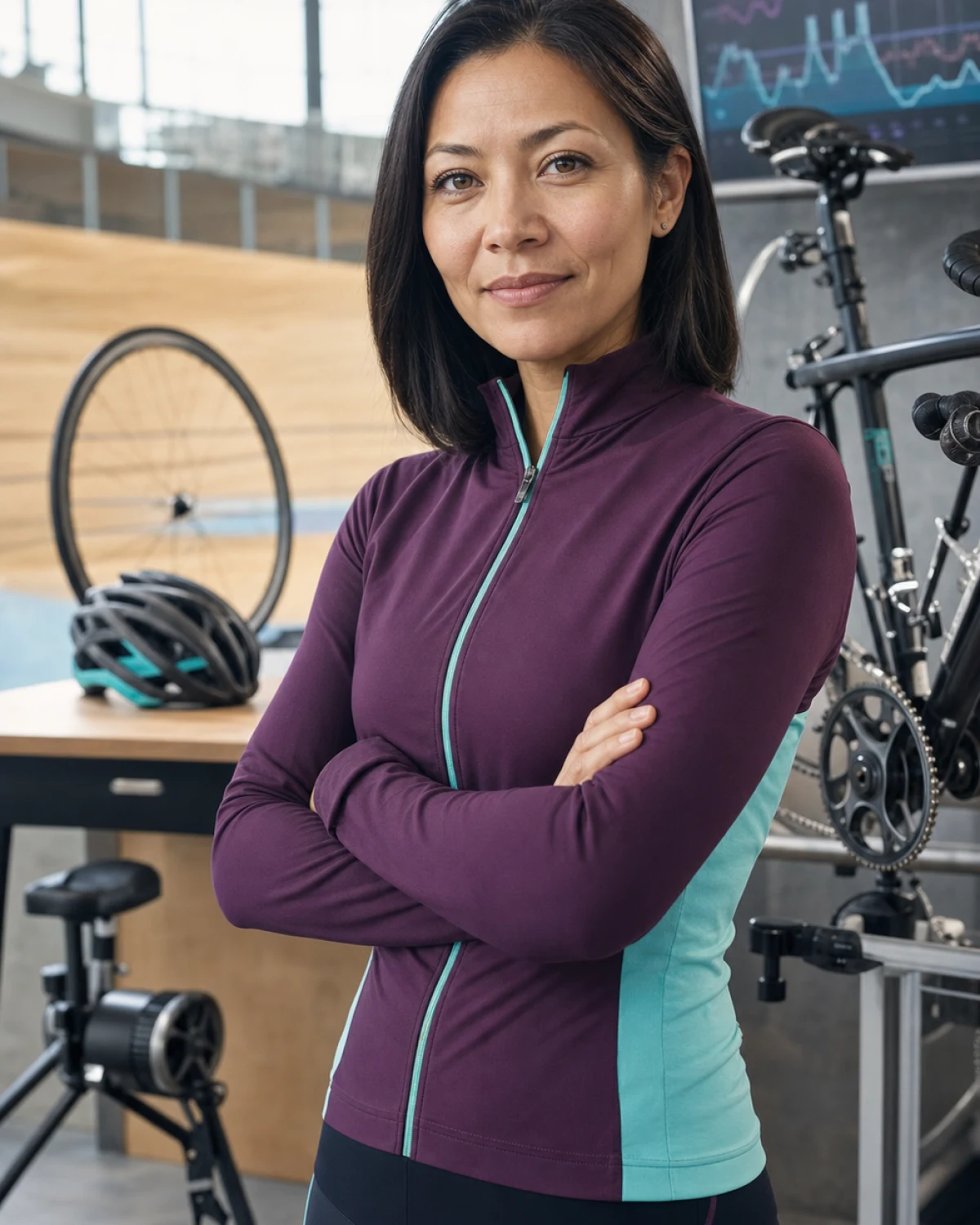 Linh Nguyen
Cycling endurance and bike-fit literacy coach
Linh Nguyen
Cycling endurance and bike-fit literacy coach
On this page
Best fit
Is Linh Nguyen right for your goal?
Learners who want practical, repeatable support from a cycling endurance and bike-fit literacy coach.
- Learning focus
- Cycling Endurance and Bike-Fit Literacy, cadence, effort zones, pacing, climbing, group-riding concepts, training structure, power-data literacy, equipment setup questions, recovery, road awareness, and event preparation
- Best level
- Beginner and recreational cyclists, indoor riders, commuters, endurance-event learners, triathletes, and sports-data students
- Lesson format
- Ride maps, cadence and effort comparisons, event pacing, training-week sketches, power-file interpretation, fit-question checklists, and safety scenarios
- Languages
- French, Vietnamese, English
Linh translates cycling data into plain decisions and always brings the route back into the conversation. She is curious about sensations, terrain, equipment, and context, and refuses to let a dashboard outrank road awareness or qualified fit advice.
- Cycling Endurance and Bike-Fit Literacy
- Cadence and pacing
- Climbing and event preparation
- Power and effort data
- Road awareness and fit questions
Before lesson one
Plan a focused first session
Specific evidence gives Linh a better starting point than a broad request to teach the whole subject. Use this four-part setup.
-
Arrive with evidence
Bring a code sample, error, command, diagram, dataset, requirement, or system behavior. A real sample gives Linh something concrete to diagnose.
-
Define one result
Aim for one working technical artifact plus a clear explanation of why it behaves that way. Put that result in the Plan tab before expanding the lesson.
-
Attempt before the model
Show what you currently think or can do. Ask for a hint or question before requesting the completed answer.
-
Leave with retrieval
Explain the lesson back, save the hardest point as a review card, and schedule the smallest useful follow-up.
Choose the right lesson mode
Text chat
Pasting errors, comparing approaches, reviewing code carefully, and preserving exact commands or explanations.
Paste the exact material and state the feedback format you want.Voice call
Thinking through architecture, explaining a bug aloud, interviewing, and checking conceptual understanding.
Think aloud and ask Linh to pause after each correction or question.Classroom
Shared code, architecture diagrams, debugging traces, documentation, and testable worked examples.
Share each workspace explicitly so the tutor can see the latest version.Repeatable value
Use Linh's lesson rhythm
A good session should produce something you can attempt, inspect, and revisit. This profile is designed around the following rhythm.
- Start
- Clarify the learner goal, current level, available materials, and one practical next step for Cycling Endurance and Bike-Fit Literacy, cadence, effort zones, pacing, climbing, group-riding concepts, training structure, power-data literacy, equipment setup questions, recovery, road awareness, and event preparation.
- Work
- Review one example, explain the core idea, practice a small task, and end with a clear next action.
- Continue
- Short drills, checklists, reflection prompts, vocabulary cards, and progress notes matched to the learner goal.
Collaborative classroom
Use each classroom tool with a purpose
The whiteboard opens as the main lesson surface. Workspaces are shared deliberately: use Show tutor or Update tutor after changing the board, Notebook, Document, Code Lab, or SVG Studio so Linh sees the current version.
Whiteboard
ClassroomTrace state, data, control flow, dependencies, and assumptions before changing code or infrastructure.
Best move: Draw or place the first version yourself, then use Show tutor or Update tutor so Linh can respond to the current board.Code Lab
ClassroomUse Code Lab for the smallest reproducible example, keep line numbers visible, and ask for tests or checkpoints before a full solution.
Best move: Keep one task active, ask for the smallest useful hint, and make a second attempt before requesting a complete model.Practice
ClassroomPredict the result first, run or inspect the example, explain the difference, and then solve one nearby variation.
Best move: Ask Linh to adjust difficulty after each attempt and explain the exact cue that should transfer to the next example.Notebook and Document
ClassroomKeep a debugging log with symptoms, hypotheses, evidence, the smallest useful change, and the lesson to reuse later. Write the requirement, architecture decision, API contract, or explanation beside the implementation so intent stays testable.
Best move: Keep your wording and decisions visible. Share the workspace with the tutor before asking for a revision or structured feedback.Review Cards and Transcript
ClassroomSave commands, patterns, failure modes, and explain-it-back questions as review cards after the code works.
Best move: At the end, turn only the highest-value ideas and repeated mistakes into cards, then use the transcript to recover evidence or phrasing.SVG Studio
ClassroomTurn architecture, data flow, state, and dependencies into a clean diagram that stays beside the code.
Best move: Ask Linh to label boundaries and failure points, then explain the diagram without looking at the implementation.Linh's methods
Profile-specific teaching tools
These methods come directly from this tutor profile. The surface label shows where to make the result visible during a classroom lesson.
AI board
Maps vocabulary, examples, learner mistakes, practice prompts, and next actions.
Try it with Cycling Endurance and Bike-Fit Literacy in Whiteboard, make one attempt yourself, then ask Linh to correct only what blocks the next step.Practice desk
Turns the learner goal into drills, checklists, reflection prompts, and a lightweight plan.
Try it with Cycling Endurance and Bike-Fit Literacy in Practice, make one attempt yourself, then ask Linh to correct only what blocks the next step.Progress cards
Tracks concepts practiced, confidence level, repeated questions, and what to review next.
Try it with Cycling Endurance and Bike-Fit Literacy in Notebook, make one attempt yourself, then ask Linh to correct only what blocks the next step.Ready to use
Prompts that fit this tutor
These prompts use Linh Nguyen's actual subjects, lesson format, and adaptive classroom lab. Replace the topic with your own material when needed.
Clarify the learner goal, current level, available materials, and one practical next step for Cycling Endurance and Bike-Fit Literacy, cadence, effort zones, pacing, climbing, group-riding concepts, training structure, power-data literacy, equipment setup questions, recovery, road awareness, and event preparation.
I want to improve Cycling Endurance and Bike-Fit Literacy. Use Ride maps, cadence and effort comparisons, event pacing, training-week sketches, power-file interpretation, fit-question checklists, and safety scenarios. Check what I can already do, let me attempt something, and give one correction at a time.
Open Code Lab for Cadence and pacing. Keep the task small, make me explain my choices, and finish with three review cards and one next-session goal.
Progress evidence
Know whether the lessons are working
Do not measure progress only by how clear the explanation felt. Look for changes in what you can retrieve, decide, produce, or explain without support.
- Predicts behavior before running the example
- Finds the failing boundary with fewer hints
- Explains tradeoffs instead of naming tools only
- Builds a nearby variation without copying the model
Responsible use
Use Linh as a tutor, not an authority
Provides cycling education only; bicycle repair, professional fitting, traffic instruction, medical concerns, injury rehabilitation, and high-risk road or weather decisions require qualified local support.
Linh Nguyen is a fictional AI tutor profile for cycling endurance and bike-fit literacy coach education.
Put the guide into practice
Start one focused lesson with Linh
Bring one real example, choose one result, and keep your first attempt visible. You can review the full profile before opening chat or voice.