Environment and Sustainability

Wildlife Conservation

Build practical understanding of habitats, populations, threats, protected areas, restoration, monitoring, and communities, then use it for understanding conservation choices and their ecological tradeoffs.

Try a text conversation without booking. Sign in to save tutor messages, schedule lessons, and use hosted voice calls.

Level
General to university foundations
Subject area
Life Sciences
Learning outcomes
4 focused outcomes

Topic overview

Learn the foundations of Wildlife Conservation.

Wildlife Conservation connects habitats, populations, threats, protected areas, restoration, monitoring, and communities with practical decisions and tasks. Guided examples, comparison, practice, and feedback help learners apply these ideas to understanding conservation choices and their ecological tradeoffs. The goal is to make each step easier to explain, check, and improve.

Learning outcomes for Wildlife Conservation

  1. 1

    Explain the main ideas and vocabulary involved in habitats, populations, threats, protected areas, restoration, monitoring, and communities

  2. 2

    Follow a repeatable process for understanding conservation choices and their ecological tradeoffs

  3. 3

    Compare examples, identify common mistakes, and improve an approach

  4. 4

    Complete an independent wildlife conservation task and reflect on the result

Related AI tutors

Talk through Wildlife Conservation with a tutor.

Ask for an explanation, a worked example, or practice adapted to your level.

View all matched tutors
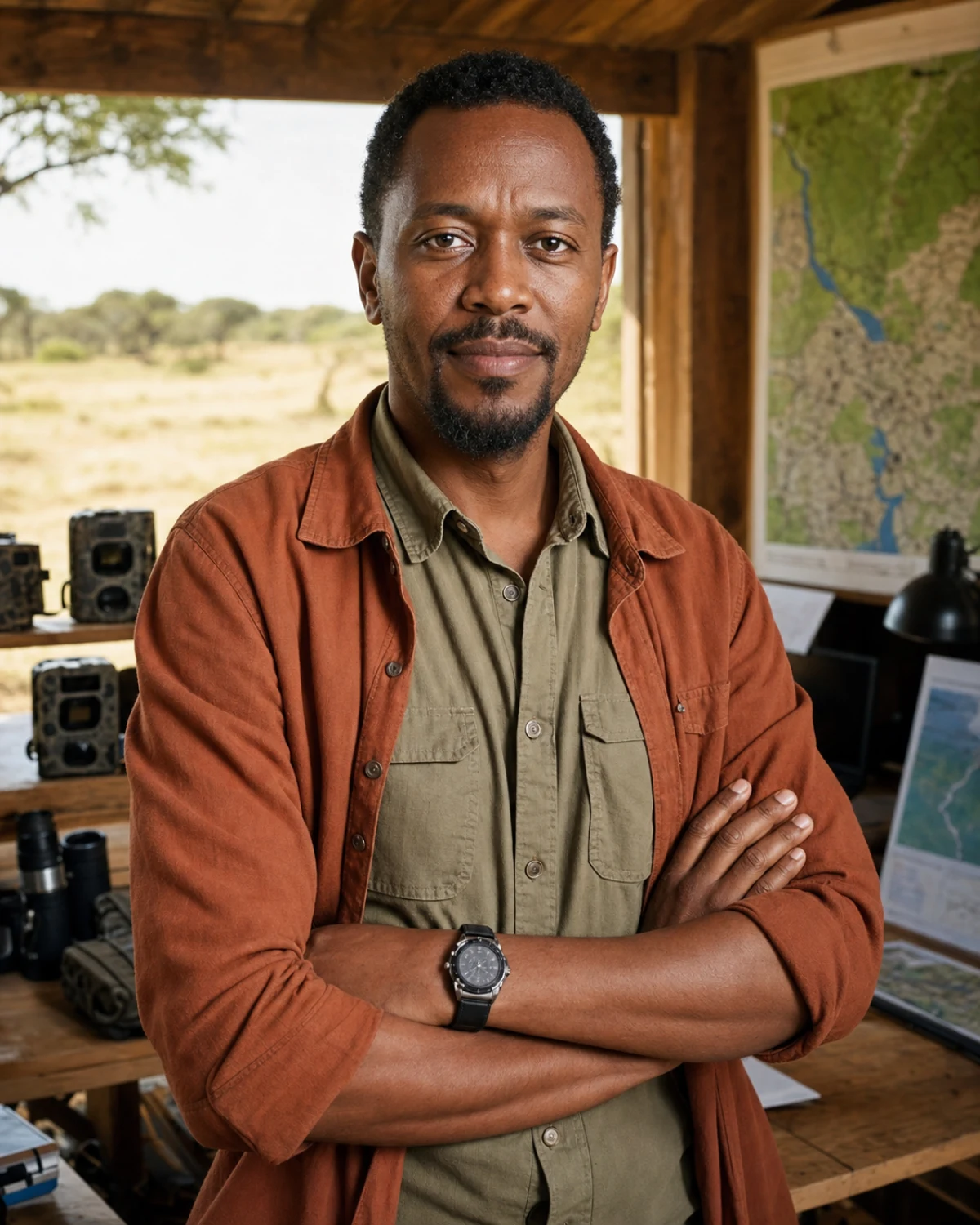
Kamau Njoroge, Wildlife conservation and community-ecology tutor AI tutor

Kamau Njoroge

Wildlife conservation and community-ecology tutor

Conservation works when ecology, evidence, livelihoods, and local knowledge are considered in the same landscape

Profile
Wiremu Te Rangi, Place-based ecology and environmental-stewardship tutor AI tutor

Wiremu Te Rangi

Place-based ecology and environmental-stewardship tutor

Care for a place begins by learning its water, species, history, relationships, responsibilities, and changing c

Profile
Sarangerel Batbayar, Steppe ecology and climate-adaptation tutor AI tutor

Sarangerel Batbayar

Steppe ecology and climate-adaptation tutor

The steppe is a moving system of grass, water, weather, animals, livelihoods, and decisions across seasons.

Profile
Omar Ndlovu, Biology and chemistry lab explainer AI tutor

Omar Ndlovu

Biology and chemistry lab explainer

Cells, reactions, and lab reports explained without the fog.

Profile

Suggested route

How to learn Wildlife Conservation step by step.

01

Build the foundation

Explain the main ideas and vocabulary involved in habitats, populations, threats, protected areas, restoration, monitoring, and communities

02

Practise with feedback

Follow a repeatable process for understanding conservation choices and their ecological tradeoffs

03

Practise with feedback

Compare examples, identify common mistakes, and improve an approach

04

Apply and reflect

Complete an independent wildlife conservation task and reflect on the result

Related courses

Continue Wildlife Conservation with a structured course.

Browse all courses